






Ah, your anniversary—a special day marked by love, laughter, and countless memories. What better way to celebrate than with a delectable meal at one of Olympia’s finest dining establishments? The capital city of Washington isn’t just known for its vibrant arts scene and stunning natural landscapes; it also offers a myriad of dining options that promise to elevate your special day. Whether you’re in the mood for seafood, Italian, or modern American cuisine, Olympia’s culinary scene leaves nothing to be desired. Ready to explore? Let’s dive into some top-notch fine dining options that promise to make your anniversary as unforgettable as the day you said, “I do.”
Ricardo’s Kitchen + Bar
If perfect steaks and creative cocktails sound appealing, then Ricardo’s Kitchen & Bar is the place for you. Known for their impeccable service and culinary innovation, Ricardo’s offers an exciting menu that includes favorites like truffle fries and smoked brisket tacos. The sophisticated atmosphere makes for a unique, upscale dining experience. You and your beloved will certainly find yourselves lingering over your meal and perhaps trying one of their acclaimed desserts.

Gardner’s Restaurant
For those seeking a more traditional yet equally delightful fine dining experience, Gardner’s Restaurant serves as a timeless choice. Situated in a beautifully restored historic building, Gardner’s prides itself on its warm, inviting atmosphere and personalized service. Their menu is a rich array of Pacific Northwest favorites, all made with fresh, local ingredients. From the creamy seafood bisque to the succulent rack of lamb, Gardner’s captures the essence of elegance in every dish.
Basilico Ristorante
Transport yourselves to Italy without ever leaving the Pacific Northwest with a visit to Basilico Ristorante. Located in the heart of Olympia, this restaurant serves authentic Italian cuisine crafted from traditional recipes and the highest quality ingredients. Whether it’s homemade gnocchi or a classic tiramisu, every dish at Basilico is prepared with love and a touch of Roman flair. Ideal for a romantic, candlelit dinner, it’s the perfect spot for couples looking to relish a taste of Italy on their special day.
Anthony’s HomePort Olympia
Is your idea of a perfect anniversary dinner intertwined with waterfront views and fresh, ocean-inspired dishes? Then look no further than Anthony’s HomePort Olympia. Known for its seafood, Anthony’s provides an authentic dining experience showcasing the bounty of the Pacific. Whether it’s wild salmon or sumptuous Dungeness crab, every meal is a celebration of the sea. Pair your entrée with a Washington wine for a truly local twist on elegance.

Swing Wine Bar & Café
Finally, there’s Swing Wine Bar & Café, a charming location that perfectly combines a relaxed atmosphere with gourmet dining. Perched on a bluff with views of Capitol Lake, Swing offers a diverse menu that highlights locally-sourced produce and proteins. Their extensive wine selection, combined with signature cocktails and handcrafted dishes, promises an evening that will be as unforgettable as your love story itself. Whether you’re a wine aficionado or a casual sipper, Swing has something to elevate your special night.
Olympia’s Fine Dining is Exceptional
In summary, Olympia’s fine dining scene is nothing short of exceptional, offering an array of choices perfect for celebrating an anniversary. Whether you lean towards fresh seafood, crave wood-fired steaks, or wish to indulge in authentic Italian cuisine, there’s an option that’s just right for you. Each of these dining experiences offers something unique, ensuring your anniversary is memorable for all the right reasons.
As you plan your special evening, remember that having a reliable vehicle is key to bringing all these dreams to life. Titus-Will Chevrolet GMC Cadillac is proud to help keep you on the road to happiness by offering exceptional service and quality vehicles. Happy anniversary, and may your night be filled with love, laughter, and delicious flavors!
Featured image attribution: Photo by Fabien Maurin on Unsplash
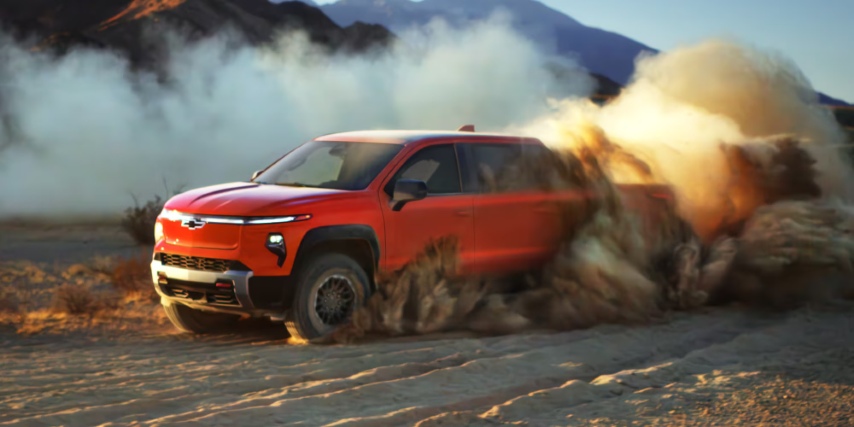
The automotive world is constantly changing and improving, and the recent focus on sustainability and eco-friendliness has made electric vehicles (EVs) more popular than ever. In the electric pickup market, two models stand out: the 2025 Chevrolet Silverado EV and the 2025 Ford F-150 Lightning. Both brands have longstanding reputations for reliability and durability, and their EV models are sure to be just as capable. If you can’t decide which truck is better, the Ford or the Chevy, check out our comprehensive electric truck comparison to see which one’s best for you.
Power and Performance Comparison
When it comes to power and performance, both the 2025 Chevrolet Silverado EV and Ford F-150 Lightning deliver impressive capabilities that redefine what electric trucks can do.
Electric Motor Specifications
Both the Silverado EV and F-150 Lightning have powerful motors that rival their traditional gasoline counterparts. The Silverado EV uses two electric motors that produce up to 760 horsepower and 784 lb-ft of torque in the highest trim. This high output gives you an impressive acceleration time, reaching 60 mph in under five seconds. All-wheel drive (AWD) is standard across all trims, with rear-wheel drive available.
The F-150 Lightning also has two electric motors that produce up to 580 horsepower and 775 lb-ft of torque in the highest trim. While it’s weaker than the Silverado in terms of power, the F-150 Lightning makes up for it with faster acceleration, reaching 60 mph in four seconds. AWD is standard across all trims.
Towing and Hauling
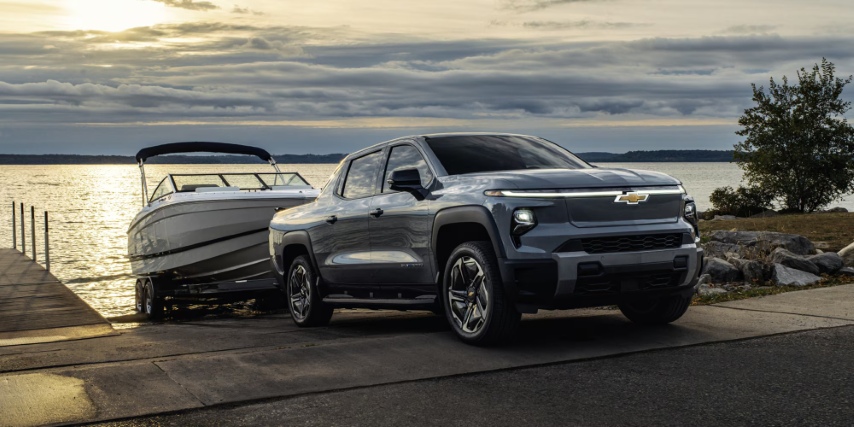
Both the Silverado EV and F-150 Lightning pack some serious muscle. The Silverado can tow up to 12,500 pounds. Hauling is also simple and easy with the Silverado thanks to its foldable midgate system, which can extend the bed space to 9 feet.
The F-150 Lightning has a slightly lower maximum towing capacity at 10,000 pounds and only 5.5 feet of usable bed space. While the Lightning doesn’t have a midgate system, you can add upgradable features such as an onboard scale system or the Pro Trailer Backup Assist feature.
Range, Efficiency, and Charging
If you’re struggling to choose between the Silverado EV and F-150 Lightning, key differences in their battery range, efficiency, and charging options may be the deciding factor.
Battery Range and Efficiency Ratings
The Chevy’s electric truck uses General Motors’ Ultium battery technology, giving it a maximum battery range of 460 miles for the highest trims. The Silverado EV has one of the highest ranges in the electric pickup sector, which makes it particularly useful for long-distance trucking. In contrast, the F-150 Lightning can go up to 320 miles on its extended-range battery, making it a practical choice for daily driving, but you’ll need to charge it on the road if you plan to travel long distances.
Charging Infrastructure and Times
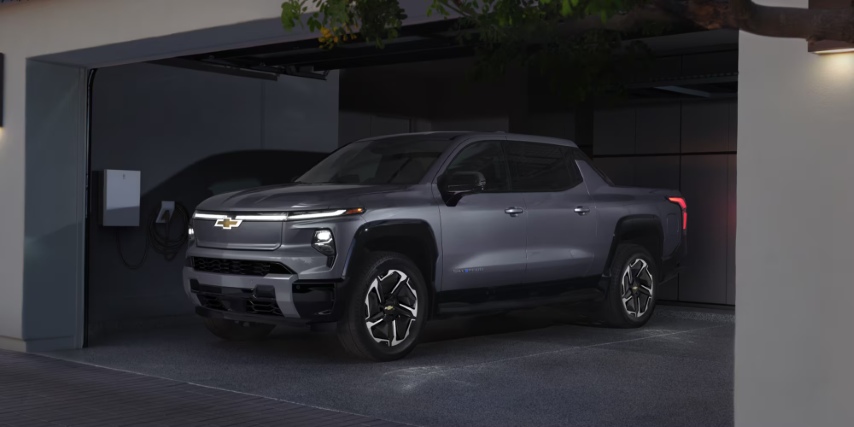
With its impressive fast-charging, the Silverado EV can charge its battery to 90% in less than an hour using a 198-kWh charging station. Ten minutes at a public fast-charging DC station can also give you up to 100 extra miles of range. The Silverado EV can also access the Ultium Charge 360 network, which will be gaining up to 10,000 new charging points in the coming years.
The F-150 also supports fast charging, going from 15% to 80% in 45 minutes with a DC fast-charging station. What sets the F-150 Lightning apart is the fact that you can use it as a backup generator for your house during power outages, giving you up to three days of electricity when fully charged. The F-150 Lightning can also access the BlueOval charging network, which has up to 84,000 public chargers across the nation.
Design, Comfort, and Technology
Design, comfort, and technology are also key factors to consider when looking for a new electric truck.
Exterior and Interior Design
The Silverado EV has a more modern look compared to its traditional counterpart, featuring an aerodynamic structure and a bold front fascia and closed grille. Inside, you can enjoy two-tone leather upholstery for maximum comfort and a sunroof for additional light. The spacious cabin offers plenty of storage options, including a massive bin between the dashboard and middle armrest and a 10.7-cubic-foot eTrunk with bag hooks and cargo tie-downs.
The F-150 Lightning maintains its traditional design for both the exterior and interior while sporting a few upgrades. The extra-large infotainment display keeps you connected on the road, while the 5.5-foot bed and massive front trunk can easily carry all your cargo.
Infotainment and Connectivity Features
Tech lovers will be impressed with both models. The Silverado EV has a digital dashboard fitted with an 11.-inch infotainment touch screen and 8-inch digital instrument display. Higher trims include a larger 17.7-inch infotainment screen. You’ll also receive all the standard connectivity features such as smartphone integration, a Wi-Fi hot spot, and a satellite radio.
The F-150 Lightning comes with a 12-inch infotainment touch screen as standard, while higher trims feature a portrait-oriented 15.5-inch touch screen. With Ford’s SYNC 4 software, you can enjoy wireless smartphone integration, Wi-Fi hot spot, voice recognition, and more.
Safety and Driver-Assistance Features
Safety is a top priority for both brands. The Silverado EV comes with a suite of safety features, including front and rear automatic emergency braking and a Safety Alert Seat. The base trims come with adaptive cruise control, while higher trims include the hands-free Super Cruise system.
The F-150 Lightning comes with many safety and driver-assistance features as well, including standard automatic emergency braking and lane departure warnings, but its standout feature is its semiautonomous driving mode called BlueCruise.
Drive Into the Future With a New EV Today
Both the Chevrolet Silverado EV and the Ford F-150 Lightning have plenty to offer, but finding the right truck for you depends budget, lifestyle, and needs. The Silverado EV offers more range and power, but it doesn’t have as many public charging networks and infotainment features. The F-150 Lightning doesn’t have as much power and range, but it has a well-established charging network and a modern infotainment system.
If you’re ready to explore the Silverado EV, come visit us at Titus-Will Chevrolet GMC for a test-drive, or you can explore our online inventory and contact us to learn more.

Navigating the roads of Olympia, WA, requires confidence and skill, and the journey to becoming a capable driver starts with picking the right driving school. Whether you’re a parent looking to enroll your teen, or someone venturing into the world of driving later in life, finding the right instruction is key to success on the road. Luckily, Olympia is home to a diverse range of driving schools that cater to every need. Let’s explore some top picks, each offering unique approaches to driver education, and see why they stand out in the crowd.
Olympic Driving School
First on our list is Olympic Driving School, a local favorite among new drivers. Known for its comprehensive curriculum, this driving school prides itself on fostering a structured environment where students can learn the rules of the road effectively. They offer both theoretical and practical lessons that cater to varied learning styles, ensuring each student is well-prepared. Their instructors are praised for being patient and attentive, making first-time drivers feel at ease. If you’re looking for a supportive atmosphere with dedicated instruction, Olympic Driving School might just be the best place to start your driving journey.
911 Driving School – Lacey/Olympia
Next up, we head over to 911 Driving School, a unique driving school where police officers serve as instructors. This setup offers students a chance to learn from experts who understand the ins and outs of traffic laws better than anyone else. Their emphasis on safety and defensive driving ensures that students don’t just learn to drive, but do so responsibly. The school’s location between Lacey and Olympia provides easy access for residents. If you’re seeking real-world insights and seasoned instruction, this school is definitely worth considering.

South Sound Driving School
For those prioritizing flexibility, South Sound Driving School is a top contender. Conveniently located near Olympia, they offer a range of learning formats, including online traffic safety education paired with practical behind-the-wheel training. This makes it easier for busy students to fit driving lessons into their schedules. South Sound Driving School is recognized for its adaptable programs, tailored to meet the needs of each student, making it an excellent choice for learners who need a bit more schedule flexibility while still enjoying in-depth instruction.
Defensive Driving School and Driver’s Ed
Defensive Driving School is another fantastic option for Olympia residents. With a strong focus on defensive driving techniques, this school empowers students with the skills necessary to anticipate and react to potential hazards on the road. Their experienced instructors emphasize practical skills and situational awareness, ensuring that students are well-prepared for a variety of driving conditions. If you’re looking to build confidence while mastering the art of defensive driving, this school should definitely be on your list.
Driving Forward with Confidence
Choosing the right driving school in Olympia is about more than just passing the test; it’s about fostering lifelong skills for safe driving. From Olympic Driving School’s structured programs to the expert-led classes at 911 Driving School, there’s a perfect fit for every new driver in the Olympia area. Whether you prioritize flexibility, real-world expertise, defensive driving skills, or a personalized approach, each school offers something unique to help drivers hit the road with confidence.
And while finding the right driving school is essential, it’s just as important to find the right car. So, once you’ve earned that license, visit Titus-Will Chevrolet GMC Cadillac where you’ll find a range of vehicles perfect for new and experienced drivers alike. With the right school and the right vehicle, you’ll be cruising through the streets of Olympia with confidence!
Featured photo attribution: Photo by Bas Peperzak on Unsplash
2025 GMC Sierra 1500 vs. RAM 1500: Ultimate Showdown
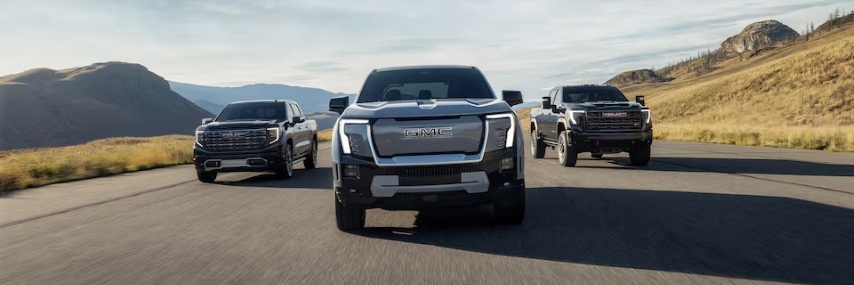
If you’re checking out full-size pickups, you may find yourself torn between the 2025 GMC Sierra 1500 and the 2025 RAM 1500. Both trucks are strong and stylish, but if you take a closer look, you’ll spot some important differences.
The Sierra has a sharp, chiseled look and a trim lineup that delivers a luxury experience without the luxury price tag. Meanwhile, the RAM 1500 is dialing up the comfort and tech this year. And even though the classic V-8 engine is bowing out, it’s being replaced with more efficient powertrains.
The bottom line is that both trucks deliver. But if you’re into bold design, proven capability, and affordable high-end trims, the Sierra 1500 may be the truck for you. If you still need convincing, let’s break it down a little more for you.
RAM 1500 vs. GMC Sierra 1500: Design and Exterior Features
The 2025 GMC Sierra 1500 is here to make a statement. It features a unique signature grille on each trim and has just enough chrome and LED detailing to stand out while not being too flashy. Its angular, no-nonsense body shape turns heads in the city and fits right in on a job site. You can customize your Sierra 1500 to fit your lifestyle — choose from Regular, Double, or Crew cabs and long, standard, or short beds.
Over on the RAM 1500, things are sleeker this year. The grille has been cleaned up, the headlights are smarter, and the RAM badge now sits higher for more presence. Crew Cab options come with either a 67- or 76-inch bed, and there are clever extras, such as lockable side compartments and a deployable bed step.

GMC Sierra vs. RAM 1500: Powertrain and Performance
Both the 2025 GMC Sierra 1500 and RAM 1500 bring plenty of power, but they go about it in different ways.
Engines and Performance Specs
The Sierra lineup starts with the TurboMax 2.7-liter I-4 that generates 310 horsepower and 430 lb-ft of torque. However, most drivers gravitate toward the classic 355-horsepower 5.3-liter V-8 or upgrade to the 400-horsepower 6.2-liter V-8. But if torque is what you need, there’s the 3.0-liter turbodiesel, which cranks out 495 lb-ft of torque.
RAM’s 2025 models feature a bold new engine lineup. Replacing the V-8 is a twin-turbo I-6, offering smooth operation and impressive power. This engine comes in two versions. The standard version generates 420 horsepower and 469 lb-ft of torque, while the High Output trim boasts a thrilling 540 horsepower and 521 lb-ft of torque. The reliable 3.6-liter V-6 engine with 305 horsepower and mild-hybrid technology remains as the base engine.
Transmission and Drivetrain Dynamics
The Sierra’s TurboMax engine pairs with an eight-speed automatic transmission, while the V-8s and diesel go with a 10-speed automatic. Rear-wheel drive is standard, but most trims offer four-wheel drive, while the 6.2-liter V-8 comes exclusively with it.
In comparison, the RAM 1500 features an eight-speed automatic across the board, no matter which engine you choose. Rear-wheel drive is standard, but four-wheel drive is available for certain trims.
Fuel Economy
If you want mileage over muscle, Sierra’s diesel delivers the best numbers, up to 23 mpg city and 29 mpg highway. Go with the four-wheel-drive 6.2-liter V-8, and you’re looking at 15 mpg city and 20 mpg highway.
RAM’s new turbo I-6 with rear-wheel drive is a decent middle ground, rated at 18 mpg city and 25 mpg highway, while the four-wheel-drive High Output offers 15 mpg city and 21 mpg highway. However, the base V-6 remains the most efficient of the bunch, topping out at 20 mpg city and 25 mpg highway.

GMC Sierra 1500 vs. Dodge RAM 1500: Interior Comfort and Technology
When you look inside the 2025 Sierra 1500, it’s clear that the cabin was made with you in mind. The controls are right where you want them, the materials are premium, and the higher you go, the more it feels like you’re sitting in a luxury SUV. At the top of the lineup, the Denali Ultimate is full luxury, with massaging 16-way power front seats, open-pore wood, and plush leather surfaces.
Tech-wise, the Sierra delivers. The 13.4-inch touch screen pairs with a 12.3-inch digital cluster starting on the SLE. Google-powered voice commands let you keep your eyes on the road, and wireless Apple CarPlay and Android Auto look sharp on the big screen. Even the seat buzzes you with alerts when backing up. Also, Super Cruise is available on Denali trims.
The RAM 1500 doesn’t back down, either. It has loads of space, and if you go for the new Tungsten trim, you’ll enjoy 24-way power seats with massage, real wood, and even a 23-speaker Klipsch sound system. The RAM 1500 offers either a 12-inch or 14.5-inch infotainment screen, but the interface can be laggy and hard to navigate. Some features are screen-only, too, which can get frustrating when the software drags. That being said, RAM rolled out its own hands-free driving system, which works well.
Dodge RAM 1500 vs. GMC Sierra 1500: Pricing and Car Trim Level Comparison
Pricing for the new Sierra 1500 kicks off at $38,300 and stretches up to $84,200 if you go all-in. There are eight trims total and plenty of customization in the cab and bed options. If you want a solid midtier choice, consider the Elevation trim. It looks sharp, isn’t overly priced, and offers a solid balance of comfort and utility.
The 2025 RAM 1500 starts slightly higher at $40,275 and tops out at $87,320. The new ultra-lux Tungsten trim brings next-level comfort, but it’ll cost you. The Rebel and Laramie trims offer more value, especially if you want off-road gear or something a little more refined.
Test-Drive the 2025 GMC Sierra 1500 in Olympia, Washington
Both trucks bring a lot to the table, but if you want more configuration choices, competitive pricing, upscale features that don’t require a top-trim jump, and a little extra personality baked into the design, the Sierra 1500 makes a strong case.
If you’re curious how the 2025 GMC Sierra 1500 stacks up in real life, the best way to find out is from behind the wheel. Contact us at Titus-Will Chevrolet GMC Cadillac for a test drive and experience its strength, tech, and comfort firsthand. We know you won’t be disappointed.
Comparing the 2025 Sierra 1500 vs. GMC Canyon
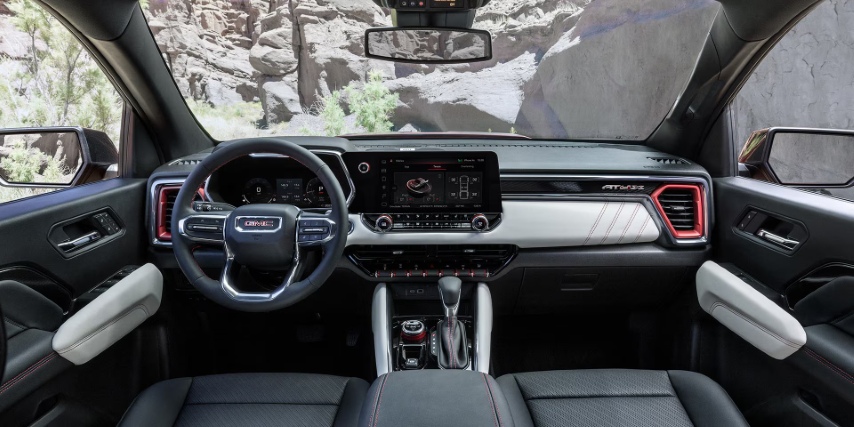
The 2025 GMC Sierra 1500 and GMC Canyon are two highly capable trucks in GMC’s lineup. The Canyon is a midsize truck designed for efficiency and light towing, while the Sierra 1500 is a full-size truck built for power, comfort, and capability. Both trucks feature GMC’s signature styling and modern tech, but their size, powertrains, and intended uses are very different.
Brief Overview of the GMC Canyon and GMC Sierra 1500
The 2025 GMC Canyon is a midsize pickup truck that offers power, fuel efficiency, and technology. It seats five passengers and is shorter than the Sierra 1500, measuring 213.2 inches, making it easier to navigate smaller city spaces.
The 2025 GMC Sierra 1500 is a full-size pickup that offers more engine options, seating for up to six passengers, and boasts an overall length of 231.9 inches, providing more interior space and a smoother ride on highways and rough terrain.
Design and Dimensions
As midsize and full-size trucks, there are noticeable differences between the 2025 Sierra 1500 vs. 2025 Canyon’s design. The Canyon is taller at 79.8 inches compared to the Sierra’s 75.6 inches, despite being shorter overall. The Canyon’s more compact size makes it ideal if you want a truck that’s easier to park and navigate the city, while the Sierra’s larger design is designed for maximum road presence and cargo capacity.
Inside, the larger Sierra 1500 offers more rear legroom (43.4 inches in the crew cab, compared to the Canyon’s 34.7 inches) and headroom, making it more comfortable for passengers on long trips. The Sierra’s interior emphasizes spaciousness and luxury, while the Canyon strikes a balance between comfort and a sportier, more utilitarian feel.

Bed Size and Cargo Capabilities
The Sierra 1500 is available in single-cab, double-cab, or four-door crew-cab configurations, with multiple bed lengths to choose from, including a short bed (5.8 feet), a standard bed (6.6 feet), and a long bed (8.2 feet). The short bed is usually found on Crew Cab models, while the standard and long beds are available with Regular and Double Cab configurations. The 2025 GMC Canyon is available with a short bed measuring 5.2 feet, which is sufficient for most needs but less versatile for heavy cargo than the Sierra.
Performance and Engine Options
The Sierra has four engine options, two transmission options, and either rear- or four-wheel drive. The base model features a turbocharged 2.7-liter four-cylinder engine that produces 310 horsepower and 430 lb-ft of torque. It pairs with an eight-speed automatic. It also comes with a 355-horsepower 5.3-liter V-8, a 420-horsepower 6.2-liter V-8, and a light-duty diesel six-cylinder engine that generates 305 horsepower and 495 lb-ft of torque. The latter three engines pair with a 10-speed automatic.
The Canyon has a single engine option: a 2.7-liter turbocharged inline-four engine that produces 310 horsepower and 430 lb-ft of torque, paired with an eight-speed automatic transmission.
Fuel Efficiency Comparisons
The Canyon has EPA ratings of 17 mpg in the city and 21 mpg on the highway for the two-wheel-drive model. Four-wheel-drive models get 19 mpg in the city and 23 mpg on the highway.
The Sierra’s two-wheel-drive trims get 18 mpg in the city and 21 mpg on the highway. If you choose four-wheel drive, you’ll get 17 mpg in the city and 19 mpg on the highway.
Towing and Hauling Capacities
The Sierra takes the win for towing with a maximum of 13,300 pounds with the diesel engine compared to the Canyon’s maximum of 7,700 pounds, which is only suitable for light-duty and recreational towing. The Sierra 1500 also has a higher base payload capacity. If you want heavy-duty towing and hauling, the Sierra 1500 is clearly the more capable truck.
Off-Road Capabilities and Features
Both trucks offer off-road packages, with the Canyon AT4 trim providing rugged suspension and terrain management suited for trail adventures. The Sierra 1500 is designed for more demanding off-road use. It offers off-road trims with improved suspension, skid plates, and advanced traction control.

Technology Features
Both trucks feature modern infotainment with Apple CarPlay and Android Auto, but most Sierra 1500s benefit from a larger 13.4-inch touch screen and more premium interior materials. The base model has a 7-inch screen. Higher trims come with wireless smartphone connectivity. Other features include a 12-speaker Bose sound system, wireless charging, and extra power points.
Each Canyon comes with an 11.3-inch touch screen with a Wi-Fi hot spot and wireless Android Auto and Apple CarPlay. Wireless phone charging is available on the AT4 trim, but standard on the Denali and AT4X. A hitch view and guidance system is standard on all trims, but a 360-degree camera is also standard on the Denali and AT4X trims. Driver-assistance technologies such as adaptive cruise control, lane-keeping assist, and automatic emergency braking are standard or available on both models.
Which Truck Is Right for You?
Choosing between the GMC Canyon vs. Sierra depends on your needs. If you’re looking for a fuel-efficient small GMC truck for everyday driving, the Canyon is an excellent choice. If you need maximum power, towing, and interior space, the Sierra 1500 comes out on top. Visit us at Titus-Will Chevrolet GMC Cadillac in Olympia, Washington, to test-drive both models and discover which truck best fits your lifestyle.

If you’re living in Olympia, WA, and your car windows are still letting in the sun like it’s summer every day, it might be time for a tint. Whether you want a cooler cabin, UV protection, or just that sleek look, Olympia has no shortage of great spots for window tinting. With options ranging from high-end customization to reliable, budget-friendly service, there’s a local shop ready to get your vehicle looking sharp and feeling cool.
In this guide, we’ll showcase some of the top places in and around Olympia to get your windows tinted. Each of these businesses is within a 30-minute drive and open to the public, making it easy to find the right fit.
Tint Fresh PNW
Located right in Olympia, Tint Fresh PNW is all about delivering top-tier service with a local touch. They specialize in automotive window tinting using high-performance films that offer excellent heat rejection and UV protection. What sets Tint Fresh apart is their attention to detail and passion for helping customers choose the right shade and product for their lifestyle. Whether you’re after privacy, aesthetics, or protection, this shop takes pride in making sure you’re happy with the end result. Their clean, professional installations and friendly team make them a go-to for many Olympia residents.

Car Crazy Window Tinting
Car Crazy Window Tinting has been serving the Olympia area for years and is well known for its wide range of tinting services. They offer automotive, residential, and commercial tinting, so if you’re looking to upgrade your ride or even your home windows, they’ve got you covered. The technicians at Car Crazy use high-quality films and stay up to date on the latest tools and techniques. Customers appreciate their speedy service and the fact that they walk you through your options before starting the job. For a one-stop tinting solution with competitive prices, Car Crazy is a solid choice.
Auto Tint Northwest
Auto Tint Northwest has earned a strong local reputation thanks to their precision work and customer-first attitude. They’re known for their clean installations, lifetime warranties, and top-tier ceramic tint options. If you’re looking for something that can seriously cut down on heat without going super dark, they’ve got the right products for you. Their team is responsive and great at answering questions, which makes them ideal for first-timers who want to understand exactly what they’re getting. Bonus: their turnaround time is quick, so you’re not stuck waiting days to get back on the road.
Summit Window Tinting
Summit Window Tinting operates just outside Olympia but is well worth the short drive. This business offers both automotive and architectural tinting, so they know their stuff when it comes to different applications. Their work is known for being neat, precise, and durable—everything you want in a window tint. They also offer paint protection film and headlight restoration services, which means you can give your whole vehicle a bit of a makeover. Summit’s team is friendly and professional, and they’ve built a loyal following thanks to their honest approach and solid results.
Sun Stop Solar Tinting (Mentioned for Local Comparison)
While not on the original list, Sun Stop Solar Tinting is another notable name that pops up in local conversations. Based in nearby Lacey, they’re known for their extensive experience in both auto and residential tinting. Their work has been trusted by local dealerships and individual customers alike. With fair pricing, good communication, and a strong focus on quality, Sun Stop is another reliable choice within a quick drive of Olympia.
Final Thoughts on Olympia’s Top Window Tinting Shops
Getting your windows tinted in Olympia is a smart move—not just for the look, but for comfort, privacy, and protection. From the detail-oriented crew at Tint Fresh PNW to the experienced pros at Summit Window Tinting, you’ve got plenty of trusted options to choose from. Whether you’re seeking a budget-friendly solution or high-performance film with all the extras, there’s a shop on this list for you.
And while you’re at it, if you’re looking for a new vehicle to pair with your fresh tint, check out Titus-Will Chevrolet GMC Cadillac. They’ve got a great selection and are just as committed to quality service as the tinting pros we mentioned.
With so many solid options around Olympia, there’s no reason to wait. Give your ride the upgrade it deserves!
Featured image attribution:
Photo by Helena Jankovičová Kováčová
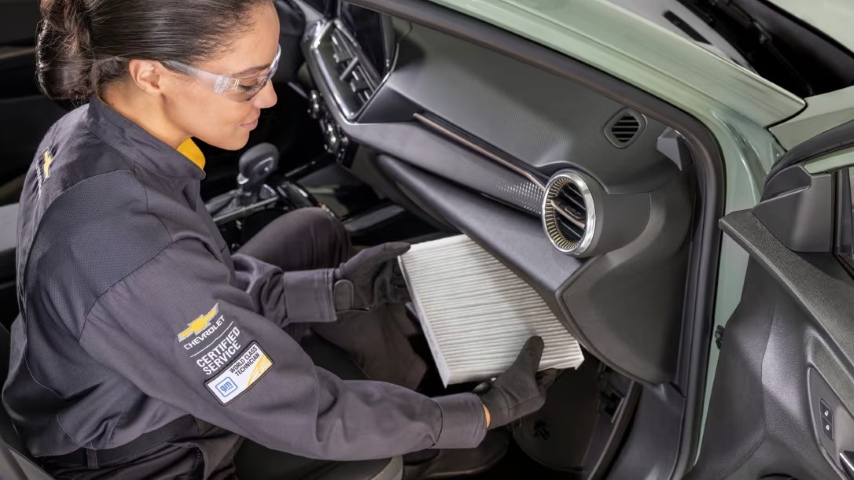
Whether you drive a sporty, high-performance Corvette, a family-friendly Tahoe SUV, or a Silverado 1500 pickup truck, your Chevrolet needs regular maintenance. Your vehicle is a major investment, and by regularly following its recommended maintenance schedule, you can keep it performing optimally for its designed life span. This guide, created by our team at Titus-Will Chevrolet GMC Cadillac in Olympia, answers everything you need to know about keeping your Chevy running like new.
Understanding Your Chevrolet Maintenance Schedule
What is a maintenance schedule? Every auto manufacturer has a recommended maintenance schedule that lists the services its vehicles should receive to stay in peak condition. They typically vary based on model and trim, so you should always consult your owner’s manual if you have questions about the timing of certain services. Following the recommended maintenance schedule helps your Chevrolet run efficiently and helps avoid costly repairs by addressing issues proactively.
Maintenance Intervals Explained
When you bring your vehicle to an authorized Chevrolet service center, such as Titus-Will Chevrolet GMC Cadillac, certified technicians will follow the recommended Chevrolet maintenance schedule as detailed below.
7,500 Miles: Essential Services
You shouldn’t need to bring your new Chevrolet into our service department until it hits 7,500 miles. Then, you’ll need to continue bringing it in approximately every 7,500 miles for the same routine services, which include:
- Changing the oil and oil filter
- Rotating the tires
- Running a multipoint inspection with diagnostic tools
- Replacing fluids as needed

15,000 Miles: Additional Checks
Every 15,000 miles, you’ll need to bring your vehicle in for a slightly more detailed service. In addition to the items included with the 7,500-mile service, Chevy mechanics will:
- Change the air filter
- Replace the windshield wipers
- Check the brake fluid
- Inspect the suspension, exhaust, and cooling systems
30,000 Miles: Comprehensive Maintenance
Every 30,000 miles, you’ll need a comprehensive service for your Chevy that includes the following:
- Performing the services included with the 15,000-mile service
- Replacing the fuel filter if your vehicle uses diesel
- Inspecting the fuel system components
60,000 Miles: Advanced Inspections
Our technicians will perform the following maintenance items every 60,000 miles:
- Performing the same standard services listed above
- Checking and replacing the spark plugs if needed
90,000 Miles: Extensive Overhaul
At the 90,000-mile mark, your Chevrolet needs additional care, including:
- Replacing the engine and cabin air filters
- Checking the evaporative control system
- Replacing the wiper blades
- Inspecting and rotating the tires
150,000 Miles: Long-term Sustenance
Once your Chevy makes it to the impressive number of 150,000 miles, it’s important to have a comprehensive service done, including:
- Checking fluid levels
- Changing the oil and oil filter
- Performing a detailed inspection of the brake, steering and suspension, and exhaust systems
- Rotating the tires
Core Maintenance Areas for Chevrolet Vehicles
While many maintenance tasks are important for the health of your Chevrolet, the following key areas are of paramount importance.
Engine Care and Oil Changes
The oil is the lifeblood of your vehicle, keeping the engine lubricated and cool. Over time, the oil breaks down and collects dirt and gunk, which reduces its efficiency. Regular oil changes help keep the engine running cool and clean.
Brake Inspection and Maintenance
Brakes are one of the most vital safety mechanisms of your Chevrolet since they’re responsible for stopping the vehicle. Our service technicians inspect the brake pads for wear and tear, replacing them if needed.
Battery and Electrical System Checks
Your Chevy’s battery provides power to the engine so you can drive to your destination. Batteries typically last three to five years, but certain conditions can reduce that time frame. We’ll check the health of your battery and replace it if necessary.
Tire Rotation and Alignment
Tires keep your Chevrolet moving. Regular tire rotations and wheel alignment make sure your vehicle drives straight and its tires wear evenly. These services also help prevent dangerous blowouts.
Fluid Top-Offs and Replacements
During regular maintenance, we check coolant levels, brake fluid levels, and transmission fluids. If any of them are low, we’ll top them off, and if they’re contaminated, old, or dirty, we’ll replace them.
Wipers and Visibility Enhancements
Windshield wipers are key to ensuring your visibility on the road. Heat and UV rays break down wiper blade materials over time, making them less effective. Our technicians will inspect and replace them as needed with new wiper blades, which help keep your windshield free from rain, snow, and debris so you can see clearly.
Air Filters and Air Conditioning Systems
The engine’s air filter prevents dirt from getting into the engine system, and the cabin air filter helps keep the interior of your Chevrolet free from dirt, pollen, and outside contaminants. Regular replacement of these filters will keep your car running smoothly and comfortably during all seasons.
Why Choose a Certified Chevrolet Service Center?
Using an authorized Chevrolet dealership like ours ensures your vehicle is getting the right scheduled service for its mileage. We use original equipment manufacturer parts to ensure a seamless fit, and our service technicians are factory-trained to work on all Chevrolet models and trims. Plus, servicing your vehicle at an authorized dealership helps to keep your warranty valid.
Scheduling and Planning for Maintenance
You can enhance your Chevrolet ownership experience by preplanning your regular services. Our customer service team will send you reminders of upcoming scheduled maintenance visits, and if you sign up for OnStar Connected Services, keeping track of maintenance becomes even easier via the myChevrolet mobile app.
The app will send you reminders of scheduled maintenance, let you view your Chevy’s current tire pressure, fuel level, and oil status, and even allow you to schedule services. Through OnStar, you’ll also have access to advanced safety features, such as 24/7 roadside assistance, a safety advisor, and stolen car notifications.
Keep Your Chevrolet in Optimal Condition
At Titus-Will Chevrolet GMC Cadillac, we’re proud to be one of Olympia’s premier Chevrolet service centers for all your automotive maintenance, service, and repair needs. Browse our website for Chevrolet service deals or Chevrolet car services. At our full-service Chevrolet service and parts center, our certified technicians will keep your vehicle running smoothly for optimal performance. Book your next Chevrolet service today.
How Often Should You Service Your Car?
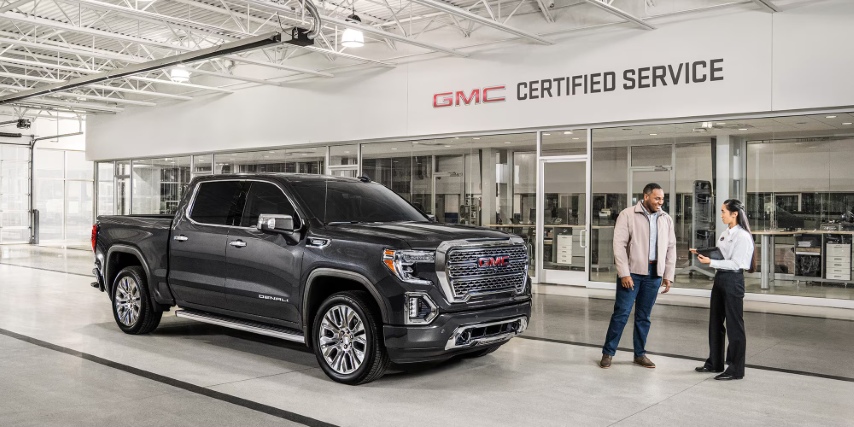
Keeping your car running smoothly and safely begins with regular care. But how often should you have your vehicle serviced? You’ve likely seen the oil-change stickers that say, “Next service due at 3,000 miles or three months,” but these guidelines are more of a sales tactic than a reliable plan. Continue reading to discover what your manufacturer suggests, compare the annual and mileage-based plans, and review everything you need to know to keep your car happy on the road.
In your owner’s manual is a table that recommends when you should schedule oil and filter changes and other checks based on time and miles. Most modern cars use long‑life oil and have tougher parts, so you may only need to change your oil every 5,000 miles to 10,000 miles. Some vehicles include a smart monitor that tracks engine load, temperature, and driving habits and lights up on your dash when it’s time for service. Stick with the chart in your manual to save cash and keep your vehicle performing optimally.
Annual vs. Mileage-Based Servicing
Most drivers fall into one of two categories: those who service based on the calendar and those who go by mileage. Here is an overview of both plans:
- Annual plan: If you don’t drive much, getting a basic check once a year is sufficient, even if your miles are low.
- Mileage plan: If you travel 12,000 miles or more yearly, you should schedule oil changes, filter replacements, and brake checks more frequently.
Some service repair centers let you schedule basic checks once a year and set up oil changes and filter replacements based on mileage, ensuring coverage for light and heavy use, whichever comes first.

Influencing Factors: Driving Conditions and Habits
Wear varies based on your driving style and where you drive. Consider these points:
- Stop‑and‑go traffic: City driving results in more braking and heat in your engine oil.
- Long highway runs: Steady speed is easy on most components, but checking the belts and hoses is still essential.
- Road quality: Smooth roads minimize wear, but rough roads or potholes can stress your vehicle’s suspension and steering.
- Weather extremes: Extreme temperatures can deplete fluids and accelerate the wear on rubber components.
- Short trips only: Cold starts and short trips can cause moisture buildup in your oil, leading to corrosion.
Types of Car Services Explained
Here’s a brief overview of the various service levels.
Interim Service
This includes a light check-up, an oil and filter change, basic fluid top-offs, and a quick inspection of your tires, lights, and brakes — usually done every 5,000 miles. This service is designed to keep your car running smoothly between full visits.
Full Service
This service is more thorough, including an oil change, replacement of filters (air, cabin, fuel), additional fluid checks, and a closer look at brakes, belts, hoses, and steering parts — typically done every 12,000 miles or annually.
Manufacturer Service
This follows the recommendations provided in your owner’s manual for each milestone — e.g., 20,000, 40,000, 60,000 miles — and often includes changing the belts, transmission and coolant fluids, and checking the spark plugs.
Specialist Services
Electric vehicles require fewer fluids than gas-powered cars but still need brake fluid, cabin air filter replacements, and battery checks. Hybrids use gas engines and electric power, requiring maintenance for both systems.
What Do Car Tuneups Consist Of?
Here are some examples of what our service center will do when servicing your car.
General Inspection Procedures
We’ll lift your car to look for leaks and check underbody parts. If warning lights appear, we’ll use a diagnostic scanner to read the error codes and identify the issues.
Essential Fluid Checks and Replacements
We’ll check your oil, brake fluid, power steering fluid, coolant, windshield wash, and transmission fluid. We’ll also replace and top off dirty or low fluids.
Brake and Tire Assessment
We’ll check your brake pads, rotors, and fluid, measure tire tread, pressure, and wear patterns, and rotate your tires if we see uneven wear.
Engine Diagnostics and Performance Testing
We’ll perform a computer scan for faults and a quick road test to ensure the engine starts, idles, and runs smoothly. We may also check the air‑fuel mix, spark timing, and emissions levels.
Signs Your Car Needs Immediate Servicing
You don’t have to rely on a sticker or a dashboard light to know when it’s time for maintenance. Watch for these signs to determine when your car needs immediate service:
- Unusual noises or vibrations: Clunks, squeals, or shakes that have recently developed
- Illuminated warning lights: Oil, engine, ABS, or traction lights
- Handling and performance issues: Pulling to one side, rough idling, slow pickup, or spongy brakes
Cost of Regular Car Servicing
Regular and timely maintenance reduces the need for big repairs. A worn belt can snap and damage your engine, costing thousands. Spending on regular service is a smart investment. Many shops, such as our service center at Titus-Will Chevrolet GMC Cadillac, offer service specials that can help you save.

DIY Maintenance: What You Can Do Between Services
Keeping your car happy doesn’t end at the service center. Here are some maintenance tasks you can tackle at home:
- Checking and topping off fluids
- Monitoring tire health and pressure
- Checking the engine and battery
Performing these minor tasks regularly will increase the time between major visits and help you identify small issues before they become costly.
Keeping Your Car in Optimal Condition
Routine maintenance keeps you safe, saves money, and extends the life span of your car. Remember that tuneups should vary based on traffic, road conditions, and weather. You can adjust your driving habits to reduce visits. Be aware of warning signs and never ignore a dashboard light or unusual noise. With routine checks, timely service visits, and DIY maintenance between appointments, your car can last for years. If you’re ready to give your vehicle the care it deserves, contact our team at Titus‑Will today to set up the service plan that suits your driving. Your car and your wallet will thank you.
Truck Comparison: 2025 F-150 vs. GMC Sierra 1500
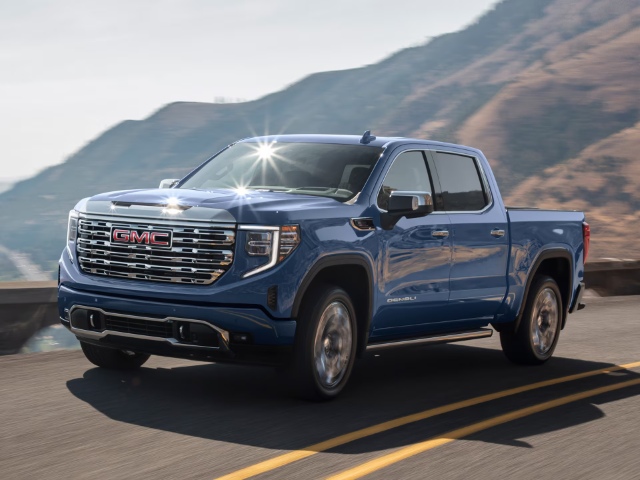
Year after year, two of the most popular truck models are the GMC Sierra 1500 and the Ford F-150. However, there are some significant differences between these pickups, so one of them may be a better fit for your needs and preferences over the other. Below, we’ll compare the latest versions of the two models to help you decide which is right for you.
What’s New in the 2025 Models?
For 2025, both trucks are largely unchanged from their 2024 predecessors. For the 2025 GMC Sierra 1500, you can expect a few minor tweaks, such as new 22-inch wheels. The Sierra received a refresh in 2022, so it will likely remain largely the same for a few more model years. As for the 2025 F-150 changes, this Ford also remains essentially unchanged, with the most notable differences being a new Pro Access Tailgate and a standard 12-inch infotainment system. So, if you liked either of these models in recent years, you’re sure to enjoy the latest 2025 editions as well.
Performance and Powertrain Options
Let’s take a look at what these two trucks have to offer in terms of performance. With the 2025 GMC Sierra 1500, you have four engine options to choose from and either rear- or four-wheel drive.
- A turbocharged 2.7-liter four-cylinder that produces 310 horsepower and 430 lb-ft of torque
- A 5.3-liter V-8 EcoTec3 that produces 355 horsepower
- A 6.2-liter V-8 EcoTec3 that produces 420 horsepower
- A diesel six-cylinder, which generates 305 horsepower and 495 lb-ft of torque

All three of the latter engines hook up to a 10-speed automatic transmission, while the standard 2.7-liter engine combines with an eight-speed automatic.
As with the Sierra, there are a few Ford F-150 engine options to choose from, including:
- A 2.7-liter V-6 that produces 325 horsepower
- A 5.0-liter V-8 that produces 400 horsepower
- A 3.5-liter V-6 that produces 400 horsepower
- A high-output 3.5-liter V-6 that produces 450 horsepower
- A high-output 5.2-liter V-8 that produces 720 horsepower
Besides these traditional gas-powered engines, the Ford F-150 is also available with a hybrid system that uses a 3.5-liter V-6 engine and electric motor to produce 430 horsepower. No matter which engine option you select, it’ll pair with a 10-speed automatic transmission, and you can choose between rear- and four-wheel drive for any of the powertrains.
Towing and Payload Capacity
A common priority for truck buyers is towing and payload capacity. Thankfully, both models perform well in this regard. The 2025 GMC Sierra 1500 has a maximum towing capacity of 13,200 pounds and a payload capacity of 2,530 pounds when properly equipped. 2025 F-150 models max out at 13,500 pounds when you get the twin-turbo 400 horsepower engine, while the maximum payload capacity is 2,440 pounds. This means, at their best, the GMC Sierra 1500 has the higher payload capacity while the F-150 has a narrow edge in towing capacity.
Fuel Economy and Environmental Impact
With different powertrain options — along with body styles, chassis lengths, and bed lengths — available for both models, there are different fuel efficiency ratings depending on your chosen setup. If you want the most fuel-efficient Sierra, go with the diesel engine, which results in up to 23 mpg in the city and 29 mpg on the highway. However, the more popular 6.2-liter V-8 is still plenty efficient, with ratings of around 15 mpg in the city and 19 mpg on the highway.
With the Ford F-150, you’ll get 19 mpg in the city and 25 mpg on the highway when you go with the turbocharged V-6 engine, while upgrading to the twin-turbo 3.5-liter drops those estimates to 17/25 mpg city/highway. Of course, for the most fuel-efficient driving experience, select the hybrid F-150, which is rated at 22/24 mpg city/highway. As fuel efficiency can vary based on your specific truck configuration, we highly recommend exploring each truck’s ratings in more depth once you know what kind of setup you need.
Interior and Comfort Features
Moving inside, both the 2025 GMC Sierra 1500 and the 2025 Ford F-150 offer comfortable and modern cabins but cater to different audiences. The Sierra offers more of an upscale driving experience, especially on higher trims such as the Denali and Denali Ultimate. This is thanks to additions including real wood, leather, massaging front seats, and a power-adjustable steering column.

Conversely, the F-150 has a design tailored more toward work. With the Ford, you’ll find elements such as a shifter that tucks away to create a mobile workstation and fold-flat front seats that make it more suitable for a job site. Which interior you prefer will likely come down to how you primarily intend to use your truck. If you want a more enjoyable everyday experience and a comfortable ride for your family, check out the Sierra. For a truck that’s more useful for weekend projects and on the job, explore the F-150.
Infotainment and Safety Technology
The 2025 GMC Sierra 1500 and Ford F-150 have the latest technologies to make your driving experience more enjoyable and convenient. Both models come standard with a touch-screen infotainment system — a 12-inch screen in the F-150 and a 7-inch screen in the Sierra, the latter of which offers a larger 13.4-inch version.
Also included with both trucks are Apple CarPlay and Android Auto integrations, making connecting your smartphone a breeze and adding more functionality to the system. As for premium audio options, the Sierra offers a 12-speaker Bose system, while the F-150 can be equipped with a Bang & Olufsen system.
In terms of safety technology, both trucks offer similar features — the difference lies in which come standard. For instance, the GMC Sierra 1500 has lane departure warning, lane-keeping assist, and forward collision alert starting at the base trim, while these features are only available in higher trims on the F-150. Both models come standard with automated emergency braking.
Which Truck Is Right for You?
To learn more about which truck is right for you, please visit us at Titus-Will Chevrolet GMC Cadillac in Olympia, Washington. We’d be happy to show you the latest GMC Sierra 1500 models and discuss how they compare with the new F-150s. Get started today by prequalifying for financing, valuing your trade-in, or contacting us to schedule a test-drive at our dealership.
Connect with us

